

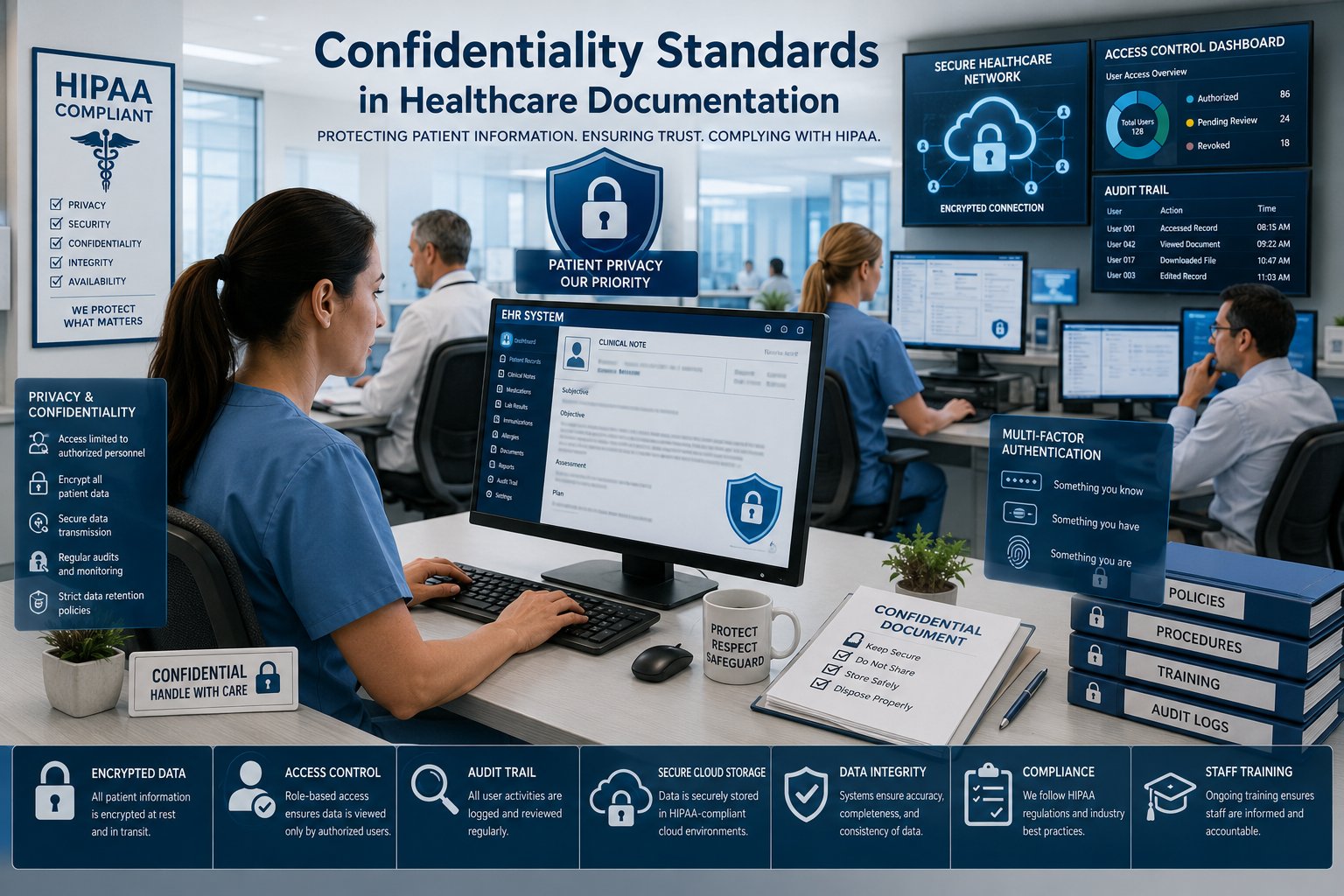
In today's digital healthcare environment, Healthcare Radiology Transcription plays a vital role in maintaining accurate patient records while ensuring strict confidentiality. Healthcare providers, radiology centers, hospitals, and diagnostic imaging facilities rely on secure documentation processes to protect sensitive patient information. As medical data becomes increasingly digitized, maintaining confidentiality standards is not only a legal requirement but also a critical component of patient trust and organizational integrity.
Healthcare documentation contains highly sensitive information, including patient demographics, medical histories, diagnostic findings, treatment plans, and imaging reports. Any unauthorized access, disclosure, or misuse of this information can result in severe legal consequences, financial penalties, and reputational damage. Therefore, healthcare organizations must implement robust confidentiality measures across every stage of documentation management.
Patient confidentiality is a fundamental principle of healthcare. Patients expect healthcare providers to safeguard their personal and medical information. When confidentiality is maintained, patients feel more comfortable sharing accurate information, which ultimately improves diagnosis, treatment, and overall healthcare outcomes.
Healthcare documentation serves as the backbone of clinical communication. Whether it involves physician notes, radiology reports, laboratory results, or discharge summaries, every document must be protected against unauthorized access. Strong confidentiality practices ensure compliance with healthcare regulations while supporting quality patient care.
Healthcare organizations face several challenges when managing confidential medical records:
Common confidentiality challenges include:
| Challenge | Impact |
|---|---|
| Unauthorized Access | Exposure of patient information |
| Data Breaches | Financial and legal consequences |
| Human Errors | Accidental disclosure of records |
| Cybersecurity Threats | Loss of sensitive healthcare data |
| Third-Party Access | Increased compliance risks |
| Improper Data Storage | Reduced data security |
Addressing these challenges requires a comprehensive approach involving technology, organizational policies, employee training, and ongoing compliance monitoring.
Radiology departments generate large volumes of diagnostic information daily. Accurate documentation is essential for timely diagnosis and effective treatment planning. Medical Imaging Documentation Services help healthcare organizations capture, organize, and manage imaging-related information securely.
Radiology reports often contain highly detailed patient information, including imaging findings, physician interpretations, and recommendations. Maintaining confidentiality throughout the documentation process is crucial to ensure patient privacy and regulatory compliance.
Healthcare organizations increasingly depend on specialized documentation providers to handle complex radiology workflows while maintaining strict security standards.
Healthcare organizations must adhere to various regulatory frameworks designed to protect patient information. These standards establish guidelines for collecting, storing, transmitting, and accessing healthcare data securely.
Organizations that fail to comply with these standards may face significant penalties, litigation risks, and loss of patient confidence.
Diagnostic imaging departments handle vast amounts of patient information. From X-rays and CT scans to MRI and ultrasound reports, every document requires secure management throughout its life cycle.
Professional Medical Imaging Data Entry Services contribute to confidentiality by ensuring accurate data capture, validation, and secure storage. These services help eliminate documentation errors while supporting compliance initiatives.
Effective medical imaging data protection strategies include:
Implementing these measures significantly reduces the risk of unauthorized disclosure.
Technology alone cannot guarantee confidentiality. Employees remain one of the most important components of healthcare data protection.
Healthcare professionals, transcriptionists, documentation specialists, and administrative staff must understand their responsibilities regarding patient privacy. Regular training programs help reinforce best practices and ensure compliance with organizational policies.
Important employee responsibilities include:
A culture of accountability strengthens overall data security efforts.
Secure workflows are essential for maintaining confidentiality throughout the healthcare documentation process. Every stage, from data creation to storage and retrieval, should incorporate security controls.
A secure workflow typically includes:
Organizations that establish standardized workflows reduce the likelihood of data breaches and compliance violations.
As healthcare systems generate increasing volumes of diagnostic information, effective Healthcare Imaging Report Management becomes critical. Proper report management ensures that authorized healthcare providers can access necessary information while maintaining strict confidentiality controls.
Benefits of structured imaging report management include:
Advanced report management systems also provide audit capabilities that help organizations monitor user activity and identify potential security concerns.
Modern healthcare technology has significantly improved confidentiality management. Advanced software solutions help organizations secure patient information while improving operational efficiency.
Common technologies used for confidentiality protection include:
When properly implemented, these technologies create multiple layers of protection that safeguard sensitive healthcare information.
Healthcare organizations should conduct regular confidentiality audits to identify vulnerabilities before they become security incidents. Combining employee training, secure technology, and compliance monitoring creates a stronger defense against data breaches.
Limit record access to authorized personnel based on job responsibilities.
Ensure all document transfers utilize encrypted communication methods.
Keep employees informed about evolving security threats and compliance requirements.
Track user access and document activity to identify suspicious behavior.
Review and update confidentiality policies regularly to address emerging risks.
Work with experienced providers that follow industry-recognized security standards and compliance frameworks.
As healthcare technology continues to evolve, confidentiality standards will become even more important. Artificial intelligence, cloud computing, and remote healthcare services are transforming documentation processes while introducing new security considerations.
Organizations must remain proactive by adopting advanced security measures and continuously evaluating potential risks.
Future confidentiality strategies will focus on:
These innovations will help healthcare organizations maintain strong confidentiality protections while supporting efficient healthcare delivery.
Confidentiality remains one of the most important aspects of healthcare documentation. From Healthcare Radiology Transcription to Medical Imaging Documentation Services, Medical Imaging Data Entry Services, and Healthcare Imaging Report Management, every component of the documentation process must prioritize patient privacy and data security.
Healthcare organizations that implement strong confidentiality standards not only achieve regulatory compliance but also build trust with patients and healthcare providers.By combining secure technologies, employee education, standardized workflows, and continuous monitoring, organizations can protect sensitive information while delivering high-quality healthcare services.
Healthcare Radiology Transcription involves converting radiologists' dictated findings into accurate, structured medical reports while maintaining patient confidentiality.
Confidentiality protects patient privacy, ensures regulatory compliance, and helps maintain trust between patients and healthcare providers.
These services use secure workflows, access controls, encryption, and quality assurance processes to protect sensitive patient information.
Medical Imaging Data Entry Services involve accurately entering and managing diagnostic imaging information within healthcare systems while maintaining compliance standards.
Healthcare Imaging Report Management refers to the organization, storage, retrieval, and protection of imaging reports to support efficient and secure healthcare operations.