

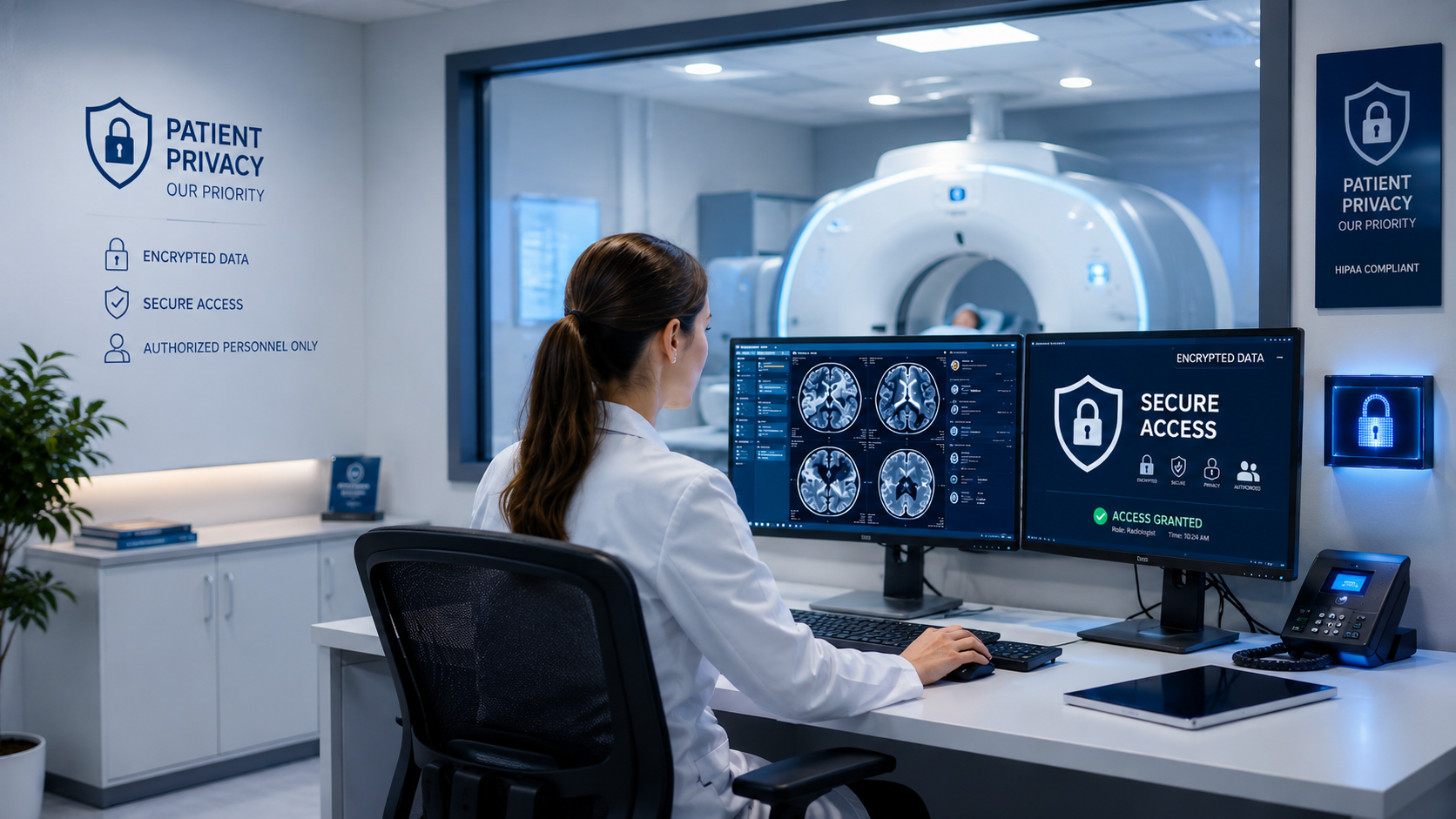
Patient privacy is one of the most critical responsibilities in modern healthcare, especially within Radiology Reporting Services, where sensitive diagnostic information is created, reviewed, and shared daily. From MRI scans and CT reports to X-rays and ultrasound findings, radiology departments handle confidential patient data that must remain secure throughout the reporting process. As healthcare organizations increasingly rely on digital documentation systems, maintaining privacy, accuracy, and compliance has become essential. Professional reporting solutions help ensure that patient information remains protected while supporting efficient clinical workflows and high-quality diagnostic reporting.
With the growing adoption of digital healthcare systems, radiology platforms, and cloud-based documentation solutions, healthcare organizations face new challenges in maintaining privacy and compliance. This is where professional Radiology Report Transcription, Radiology Reporting Services, and Radiology Report Formatting Services play an essential role in ensuring accuracy, security, and regulatory compliance.
This article explores the importance of patient privacy in radiology reporting, common risks, compliance requirements, and best practices that healthcare organizations can implement to safeguard sensitive information.
Radiology reports contain highly sensitive medical information, including:
Unauthorized access or disclosure of this information can lead to severe consequences, including identity theft, legal penalties, financial losses, and damage to a healthcare provider's reputation.
Patients trust healthcare providers to protect their personal information. Maintaining privacy not only fulfills legal obligations but also strengthens patient confidence and trust in medical services.
The healthcare industry has experienced a significant shift toward electronic health records (EHRs), cloud storage, and remote reporting systems. While these technologies improve efficiency, they also introduce cybersecurity risks.
Common privacy threats include:
| Privacy Risk | Impact on Healthcare Organizations |
|---|---|
| Unauthorized Access | Exposure of confidential patient data |
| Data Breaches | Financial penalties and legal action |
| Weak Password Policies | Increased vulnerability to cyberattacks |
| Improper File Sharing | Accidental disclosure of reports |
| Unsecured Networks | Interception of medical information |
| Human Error | Misdirected reports and documentation mistakes |
Healthcare organizations must address these risks through secure documentation workflows and compliance-focused reporting practices.
Professional Radiology Report Transcription services help convert dictated radiology findings into accurate written reports while maintaining strict confidentiality standards.
A secure transcription workflow typically includes:
Only authorized personnel can access patient information and transcription files.
Encrypted communication channels ensure protected transmission of reports between radiologists and transcription professionals.
Qualified transcription teams follow strict confidentiality protocols to prevent unauthorized disclosures.
Comprehensive tracking systems record document access and modifications for accountability.
These measures significantly reduce the likelihood of privacy violations during report creation and management.
Healthcare providers rely on specialized Radiology Reporting Services to maintain consistency, accuracy, and regulatory compliance.
Key benefits include:
Structured reporting minimizes documentation errors while ensuring all required patient information is recorded appropriately.
Multiple review stages help identify inaccuracies before reports are finalized.
Advanced security measures protect sensitive healthcare information throughout the reporting lifecycle.
Professional reporting providers stay updated with evolving healthcare privacy regulations and documentation requirements.
These services help radiology departments focus on patient care while maintaining secure reporting practices.
Accurate formatting is often overlooked but plays a crucial role in protecting patient information.
Professional Radiology Report Formatting Services ensure:
Well-formatted reports reduce confusion, improve readability, and minimize the risk of patient information being misplaced or misinterpreted.
Healthcare organizations must comply with several privacy regulations and standards to protect sensitive patient information.
The Health Insurance Portability and Accountability Act (HIPAA) establishes strict requirements for protecting patient health information.
Protects patient information during transmission and storage.
Restricts patient data access to authorized personnel only.
Maintains protected storage and retention policies for medical records.
Multi-factor authentication adds an extra layer of security for radiologists and staff members accessing patient records.
Employees should understand privacy policies, cybersecurity risks, and reporting procedures.
Avoid transmitting patient information through unsecured email systems or messaging platforms.
Regular audits help identify vulnerabilities before they become major issues.
Choose experienced providers offering secure Radiology Report Transcription, Radiology Reporting Services, and Radiology Report Formatting Services with proven compliance standards.
AI systems can detect unusual access patterns and potential security threats.
Software tools can verify report completeness and privacy compliance before finalization.
Advanced cloud environments now offer encryption, access controls, and continuous monitoring.
Modern teleradiology systems provide secure remote access while maintaining compliance requirements.
These innovations help healthcare organizations manage growing data volumes while protecting patient information.
Use Structured Reporting Templates
Standardized radiology reporting templates improve both accuracy and privacy protection. Structured templates reduce documentation errors, ensure consistent patient identification practices, and simplify compliance audits.Healthcare organizations implementing structured reporting often experience improved workflow efficiency and reduced privacy-related risks.
Protecting patient information delivers benefits beyond regulatory compliance.
Organizations that prioritize privacy often achieve:
In a competitive healthcare environment, strong privacy practices serve as both a legal necessity and a strategic advantage.
Patient privacy remains a fundamental component of effective radiology reporting. As healthcare organizations continue to embrace digital technologies, safeguarding sensitive medical information becomes increasingly important. Secure documentation workflows, compliance-focused processes, and professional support services play a critical role in maintaining confidentiality.
Reliable Radiology Report Transcription, comprehensive Radiology Reporting Services, and accurate Radiology Report Formatting Services help healthcare providers protect patient data while improving reporting quality and operational efficiency.By implementing strong security measures, maintaining compliance standards, and investing in secure reporting solutions, healthcare organizations can build trust, reduce risks, and deliver better patient care.
Patient privacy protects confidential medical information, prevents unauthorized access, and helps healthcare organizations maintain regulatory compliance and patient trust.
Radiology Report Transcription is the process of converting radiologists' dictated findings into accurate, professionally documented reports.
They use secure workflows, encryption, quality checks, access controls, and compliance-focused processes to protect patient information.
These services ensure reports follow standardized formats for consistency, readability, compliance, and seamless EHR integration.
Providers can implement encryption, staff training, multi-factor authentication, access controls, and secure reporting systems to strengthen privacy protection.